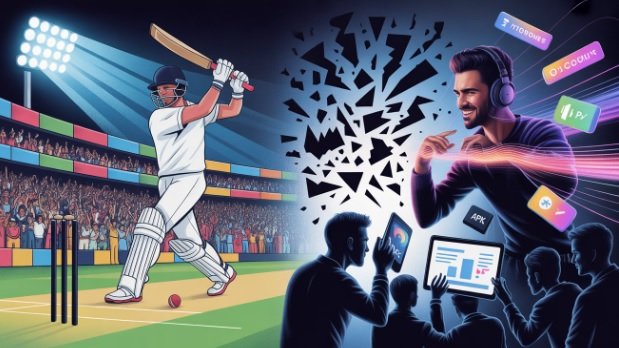

Just as cricket has evolved with technology—using data analytics, broadcasting rights, and global leagues—the music industry has transformed through digital streaming platforms like Spotify Mod APK 2026.
These platforms act much like official cricket boards, organizing the game, compensating players, and reinvesting revenue to grow the sport. However, the use of Spotify Mod APKs can be compared to watching pirated cricket streams or playing in unofficial leagues, and the consequences are strikingly similar.
Revenue Loss: Like Players Not Getting Match Fees
In cricket, players earn through match fees, sponsorships, and broadcasting revenue. If fans watch matches through illegal streams, broadcasters lose money, which eventually affects player salaries, domestic tournaments, and grassroots funding.
Similarly, when listeners use modified Spotify APKs that block ads or unlock premium features for free, artists lose their rightful earnings. Each unpaid stream is like a match played without paying the cricketers—especially harmful for emerging or domestic-level “independent” artists who rely heavily on streaming income to survive and grow.
Distorted Data: Like Fake Match Statistics
Modern cricket depends on data—strike rates, pitch reports, player form, and audience reach—to decide team selection, tours, and strategies. If match data were manipulated or incomplete, decisions would suffer.
Spotify APK usage distorts streaming analytics in the same way. Unofficial streams generate unreliable data, making it harder for artists and labels to decide where to tour, which songs to promote, or which audiences to target. For new artists, this is like being dropped from a squad due to inaccurate performance stats.
Impact on the Creator Economy: Sponsorship Trust Issues
In cricket, sponsors invest based on verified viewership and player popularity. If audience numbers can’t be trusted, brands pull back.
Likewise, the music industry relies on accurate streaming metrics for brand deals, collaborations, and media opportunities. Unauthorized Spotify usage weakens trust in these numbers, making brands hesitant—just as they would be if TV ratings for cricket were inflated or unreliable.
Reduced Investment and Innovation: Fewer Leagues, Less Talent
Revenue from cricket broadcasts funds academies, technology like DRS, women’s leagues, and emerging formats. Piracy reduces these investments.
In the same way, Spotify reinvests earnings into better audio quality, discovery tools, and artist support. Widespread APK usage limits these improvements, potentially reducing opportunities for experimental music and new talent—much like fewer domestic leagues would limit future cricket stars.
Ethical and Cultural Impact: Valuing the Game
Cricket fans understand that buying tickets or official subscriptions supports the sport they love. Normalizing piracy sends the message that players’ efforts don’t deserve compensation.
Spotify APK usage raises the same ethical issue. Music, like cricket, requires years of practice, sacrifice, and dedication. When unauthorized access becomes common, it fosters a culture that undervalues creative labor—not just in music, but across all digital entertainment.
Industry Response in 2026: Stronger Umpires and Fair Play
By 2026, the music industry has adopted advanced AI systems and secure authentication, similar to how cricket uses technology like Hawk-Eye and DRS to ensure fair play. At the same time, Spotify offers affordable plans and regional pricing—much like accessible ticket pricing—to encourage legal participation.
Artists, like cricketers engaging fans through social media and leagues, are also connecting directly with listeners through exclusive content and virtual events.
Conclusion
Using Spotify APKs may feel like a harmless shortcut, just as watching pirated cricket streams might. But both weaken the systems that support players, creators, and the future of the game or music itself.
In 2026, choosing official platforms is the equivalent of supporting fair play—helping ensure that artists, like cricketers, are rewarded for their skill, effort, and passion, and that the industry continues to grow sustainably.